Review: Universal Audio UAD Ampex ATR-102 Plug-in

January 17, 2012 by  
/* Filed under Deli Feed, Deli NYC Feed, Tech & Reviews */

If you make your living recording and mixing music, no matter how much you may love working with tape, the budgets for many a project will simply not allow you to use it – either because of the cost of the tape itself, or the cost imposed by the workflow that tape demands.

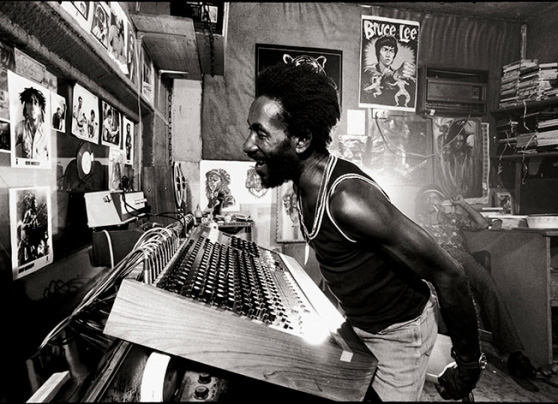
Early ATR-102 being used in style...

Universal Audio created their UAD Ampex ATR-102 plug-in for the UAD platform to address this modern-day problem. This plug-in runs on a UAD-2 card, and can be used in VST, AU or RTAS plug-in formats.

The UAD ATR-102 is modeled after the famous 2-track Ampex ATR-102 tape deck that’s been in constant use in studios all over the world since it was first introduced in 1976.

According to Universal Audio’s marketing department, the ATR-102 is “considered by many engineers to be the best sounding tape machine for final mix down.” And the resale price of these specific machines would tend to bear this claim out. Last time I checked, a refurbished ATR-102 was selling for over $10,000!!

If it Looks Like an ATR-102 and Sounds Like an ATR-102…

Universal Audio has (again) done a fabulous job of creating a convincing visual replica. Clearly this is a selling point on the plug-in emulations market, and I am open to the suggestion that the authentic looking graphics may well help fool my ears into thinking that that which looks like a tape machine also sounds like one.

And yet, I think one of the appeals of plug-in emulators is that they present us with a familiar set of parameters. The learning curve feels faster because our brains already have an idea of how something should work, and we – the users – can anticipate the results, even to the point of convincing ourselves that something sounds like the real thing when it doesn’t. It at least kind of acts like the real thing, right?

UAD Ampex ATR-102 Plug-In GUI

With that in mind, I’d like to believe that if the UAD ATR-102 were a 100 miles away from sounding like the hardware, I could tell the difference. The moment that convinced me that this plug-in is, in fact, shockingly close to the hardware, was when I changed the head stack setting from 1” to 1/2”. I’ve never used a 1” ATR-102 before so I don’t have a point of reference for it. I have, however, spent plenty of time with the 1/2” ATR-102. The minute I engaged the 1/2” head stack setting on this the plug-in, my jaw dropped. I was hearing that familiar smoothness with a slight roll-off on the low, low end, that has served so many, so well.

I’d go as far as to say that this plug-in sounds about as close to the real thing as any two Ampex 102’s are likely to sound to each other after 40 years of modifications, repairs and day to day usage.

Features/Functions (But Wait! There’s More…)

As with UA’s Studer A800 plug-in, the UAD ATR-102 can operate in an automatic calibration mode, leaving the user to select between 4 tape speeds (30ips, 15ips, 7.5 ips, 3.75 ips), 4 tape formulations per tape speed, 4 record levels per formulation (+3,+6,+7.5,+9), 3 head stack widths (1/4”, 1/2” and 1”), 3 input options (repro head, sync head, input) and 2 pre-emphasis EQ settings (AES or, NAB & CCIR).

If that’s not enough, and you prefer not to use the plug-in’s auto-calibration feature, you can adjust all parameters that exist on a real world machine (well… almost all, no azimuth screw – what’s up with that, UA?:-)). When you want a little less over-biasing than the auto-cal provides, just turn a virtual screw. You can adjust record, sync and playback equalizations (hi and low) as well.

AND, if you are a sucker for 10khz tones like I am, then you’ll revel in this plug-ins’ calibration mode which provides you with the ability to do an alignment from scratch using the tones generated from the UAD ATR-102’s built-in oscillator function. (I expect someone to find a cool, unintended use for this.)

So thoroughly does the UAD ATR-102 break out the functions used in the calibration process, that even if this thing didn’t sound as good as it does, it would still have a future as a teaching tool at recording schools the world over. Institutes of higher learning may not have the money to buy a fleet of vintage ATR-102’s, but they can certainly afford this plug-in and a few UAD-2 cards.

Features include adjustable Wow, Flutter, Hiss, Hum, Crosstalk, and (L/R) Tape Delay. Click to enlarge.

And yet, that’s not all…

With this plug-in you get a complete set of Ginsu knives AND Universal Audio has thrown in a mode allowing the UAD ATR-102 to be used as a tape delay so you can enjoy the sound of your alignment with the delay times of your choice.

In addition to the functions you want from your analog tape deck, Universal Audio has also included features that electrical engineers have tried very hard to eliminate from their analog designs. Want more cross talk? You got it! (This is really cool) How ‘bout some wow? Not into wow? Maybe some flutter? Ok, just tape hiss? NO PROBLEM, it’s included, unless you turn it off.

And, in response to popular demand and common modification, the UAD ATR-102 now includes the transformerless mod, should you choose to be as pristine as possible in your plug-in’s signal path.

Seriously, there are a plethora of screws to turn and buttons to press with this plug-in. With some software, I would say that too many options is as frustrating as too few. It can be confusing and annoying to search for the one parameter you want to tweak among the many you have no use for. The familiarity of the interface avoids this problem for me, as I’m sure it will for many potential customers. Even if you don’t understand what half of the stuff does, however, UA’s eminently useful presets and auto-calibration features will have you up and running quickly.

In Use

For the record, I have a long-standing relationship with UA. As a gear-nerd reviewer I have a vested interest in saying nice things about their software. But saying nice things and actually using a product every day to mix records are two different things. If my work doesn’t make my clients happy they let me know, and my reputation potentially suffers. So I am extremely critical in my evaluation of new tools for my own arsenal… and this one has more than made the cut.

In fact, I’ve put the ATR-102 plug-in on every mix I’ve done on my home system since it was released (that’s about 4 months of mixes), including Eytan and the Embassy‘s new single “Everything Changes,” P.T. Walkey‘s forthcoming record Thriller, and mixes on an upcoming solo release by James Iha – formerly of The Smashing Pumpkins and currently of A Perfect Circle.

Primarily, I’ve just been using the ATR-102 plug-in as the last insert on my mix bus. I’ve tried it on bass and vocals as well as on piano – all with satisfying results. I’ve played with it as a parallel bus processor too, but the biggest impediment to using and overusing the UAD ATR-102 is the fact that it’s a processor hog with substantial latency. If you are working in Pro Tools as I am, then you can’t run many of these both as inserts and on parallel busses if you are also working at lower sample rates. The maximum delay compensation of Pro Tools 9 is fairly low relative to what this plug-in requires. [Ed. note: According to UA, delay compensation improvements in Pro Tools 10 greatly benefit UAD users.]

456 at 15ips

As a mix down processor I’ve explored most of the tape types, speeds and head stacks. I thought I’d use the 30 ips setting more, but I almost always end up at 15 ips, often using the UAD ATR-102’s default starting alignment: 456 at 15ips on 1” tape at +6 nwB/m. It makes me wonder whether after all these years I should have been printing to 15 ips more often, even if you can’t turn the hiss off of a 1/2” machine like you can on a plug-in.

The transformerless option is a particularly nice inclusion on this piece given how much it affects the low end. Take it out when you really want to hear maximum bass at all frequencies, and keep it in when you want to move the bass from your bowels to your solar plexus.

The processor intensity and latency make me less likely to use the UAD ATR-102 as a tape delay. I have many other delay options, and while this one is really cool and sounds great, it’s not always worth the cost in latency and processing. With that said, because of its remarkable breadth of parameters, you can make some pretty unique and realistic sounding delay effects with this plug-in.

I recently enjoyed using the wow, flutter, and cross talk settings to create a “tape being eaten” effect on a mix for James Iha that I’ve never before been able to accomplish in the box.

Constructive Criticism

Other than the processor usage and latency, the only other bee in my bonnet with the UAD ATR-102, which is my critique of UA’s design philosophy in general, is that there are no numeric values given for individual parameters. With so much packed into the graphics of this plug-in, that would be a welcome addition.

I get why UA avoids numbers on their emulations: those numbers aren’t there in the real world, so why put them on a plug-in? And not having those numbers also forces the more OCD among us to adjust by ear rather than numeric value.

But, some of the mappings from mouse to knob/screw on this plug-in just aren’t comfortable, and this makes the lack of numeric values all the more frustrating. I can’t tell if some of the things I have been confused by are issues of plug-in resolution or personal dexterity. For example, after being thwarted by mousing on the Playback Output knob, I turned to my MC Mix control surface to make adjustments only to notice the displayed playback output levels moving in non-linear increments, going from 0 to -.33db to -.76db to -1.24 db.

You just can’t see the screws well enough to control them in subtle ways, or even tell if that degree of resolution is supposed to be there. If there were numeric values, this would be a moot point. And it would be one way to allow the user to quickly compare settings.

If UA doesn’t want to start showing parameter values per se, I would love to see this plug-in (and their Studer 800 as well) given some kind of memory settings so we could at least easily a/b (or in my case a/b/c/d) things while making adjustments. Being able to quickly compare alignments would be a real help given that the differences between settings on a tape machine are often quite subtle and are therefore easy to quickly forget.

To conclude, after using this product almost daily since its release, it got me thinking that the end of a certain analog fetishism seems closer than ever before. Given how close this sounds to the original, I just can’t imagine shelling out $10k for the real McCoy.

While I love the fact that each piece of vintage gear is unique its own way, supplies the user with its sonic fingerprint and has no latency, I will not miss paying for repairs, downtime, or tape. And I certainly won’t miss having to do alignments or worry about getting into the nicer studio with the tape machine just to do a mix recall.

Universal Audio’s Ampex ATR-102 Mastering Tape Recorder Plug-In runs on the UAD Powered Plug-Ins platform and sells for $349 on the UA Webstore. Click for more details.

Geoff Sanoff is a GRAMMY-winning NYC-based producer/engineer and musician who’s worked with Fountains of Wayne, School of Seven Bells, Obits, Nada Surf, Aaron Neville, Sarah Brightman and the Sheepdogs (among many others). Contact Geoff through Just Managing.

The Softube Podcast: Inside the Minds of Sweden’s Plugin Purists

January 9, 2012 by  
/* Filed under Podcast, Tech & Reviews */

From hardware emulations to amp simulations, the audio plugins from Sweden’s Softube get recognition. In this special interview recorded at NYC’s Stratosphere Sound, Input/Output podcasters Eli Janney and Geoff Sanoff present an in-depth interview with Softube product manager Niklas Odelholm, and learn what makes these sonic software savants tick.

Listen to the complete 37:20 interview right here.

Input/Output: Softube’s Niklas Odelholm — the Complete Interview by SonicScoop

Softube’s startlingly faithful recreations of channel strips, compressors, EQs, effects, and amp sims have some of everything: well-known classics like the Tube-Tech PE 1C and Trident A-Range EQs, to quirky underground faves like the Valley People Dyna-mite compressor (virtually all available for both Pro Tools HDX AAX DSP and Native VST/AU/AAX/RTAS formats). Odelholm goes in-depth with I/O about the intricacies of how Softube started; why imperfection is often the design goal; the amp modeling process; the art of GUI design; what hardware they choose to emulate and why; how they envision the end user; and more.

So explosive: Softube's faithfully recreated Valley People Dyna-mite.

Here are all the segments — broken into handy little chunks — so you can jump to your top topics!

Input/Output Podcast: An Interview with Softube’s Niklas Odelholm by SonicScoop


The mighty Softube Passive-Active Pack


Niklas Odelholm in his element.

Session Buzz: The Year in NYC Recording

December 22, 2011 by  
/* Filed under Deli NYC Feed, NYC Spotlight */

GREATER NYC AREA: There have certainly been some down years in recent recording biz history, but 2011 was not one of them.

By all accounts, this was a big year for recording in NYC: There were the major mainstream Made-in-NY albums, i.e. Lady Gaga’s Born This Way (Germano Studios), John Mayer’s upcoming release (Electric Lady), Beyonce 4 (MSR, Jungle City), Sting’s latest (Sear Sound) and Tony Bennett’s Duets II (Avatar). There were the critically-anticipated indie releases, i.e. Bjork (Sear Sound, Avatar, Atlantic Sound) and Beirut (Vacation Island) and of course a ton of indie activity emanating out of Brooklyn, as well as big moves in the way of new and newly renovated high-end facilities for record production.

Drink it all in with this “Best of 2011” session highlights and studio hits:

We’ll start uptown at StadiumRed in Harlem – home to a team of engineers and producers that includes David Frost, Just Blaze, Sid “Omen” Brown, Ariel Burojow, Tom Lazarus, Joe Pedulla, Andrew Wright and mastering engineer Ricardo Gutierrez.

StadiumRed hosted Chris Brown (Jive Records) for a stretch as he worked on his Grammy-nominated record, F.A.M.E. and a future album. The single “She Ain’t You” produced by Free School was recorded in Studio A at StadiumRed, and two additional songs off his upcoming album were produced by Just Blaze. Rick Ross also worked quite a bit with Just Blaze and StadiumRed this year – his albums Self Made Volume 1 and I Love My Bitches were both produced, mixed and mastered at Stadium Red with Just Blaze producing, Andrew Wright mixing, assisted by Keith Parry, and Ricardo Gutierrez mastering.

Drake's “Lord Knows” - produced by Just Blaze, Andrew Wright and Ricardo Gutierrez at StadiumRed

The track “Lord Knows” off Drake’s acclaimed new album, Take Care, was produced by this same StadiumRed team – Just Blaze, Wright and Gutierrez. The choir in this song was recorded in Studio A.

Other highlights include Ariel Borujow mixing three tracks for Chiddy Bang’s (EMI) debut album Breakfast, Joe Pedulla and Andrew Everding producing and engineering the new album by rock band La Dispute (click to read our feature about this album produced with no artificial reverb) and the Grammy-nominated Mackey: Lonely Motel – Music From Slide (David Frost, producer and Tom Lazarus, engineer); Far Away: Late Nights & Early Mornings by Marsha Ambrosius (Just Blaze, producer and Andrew R Wright, engineer); and J. Cole (Keith Parry, assistant engineer).

Rufus Wainwright (Universal Music Group) tracked portions of his new album “Out of the Game” in Studio ‘A’ (Neve 8038) at Sear Sound in Midtown, with Alan O’Connell engineering and Mark Ronson producing. Sear’s own Ted Tuthill assisted on these sessions.

“During his sessions at Sear, Rufus’ new opera Prima Donna premiered at the New York City Opera,” says Sear Sound manager Roberta Findlay. “They recorded using our Studer A827 2″ 24 track with BASF 911 2″, as well as Pro Tools. Tracking and overdubs varied from piano and vocal, whole band takes (piano, bass, drums, vocals), to piano overdubs, bass overdubs, keyboard overdubs, electric guitar overdubs, choir overdubs, drum machine overdubs, and many more. Mark Ronson brought in a wide variety of his personal vintage synths.”

Sear also hosted recording sessions for Bjork’s latest Biophilia, with Damian Taylor co-producing/engineering, and Sting tracking for his latest with engineer Donal Hodgson and co-producer/arranger Rob Mathes. And Iron & Wine tracked and mixed their song “Flightless Bird, American Mouth” which can be heard in Twilight: Breaking Dawn. Tom Schick engineered with Brian Deck producing. Rob Berger wrote the arrangements. [Click for a video of this session.]

Regina Spektor is working with producer Mike Elizondo (Fiona Apple, Mastodon) on her upcoming album.

In other highlights, Joss Stone tracked new material at Sear with an all-star band (Ernie Isley on guitar, James Alexander on bass, Latimore on piano and Raymond Angry on B3 and keyboards), and Steve Greenwell engineering and co-producing with S-Curve’s Steve Greenberg. “At Joss’ s request, we built a western version of a resplendent ashram for her, to stimulate her creative juices,” says Findlay. “I believe it worked!!”

Meanwhile, mixing sessions for Regina Spektor’s anticipated new album What We Saw From The Cheap Seats went down in Studio A at The Cutting Room – with producer Mike Elizondo, and engineer Adam Hawkins, assisted by Matt Craig. The album is due out in May 2012 on Warner Bros Records.

At nearby Germano Studios – where Joan Jett & The Blackhearts have been recording this month – it’s been a huge year of pop, rock, rap and R&B. In addition to Jett, who’s been in with longtime producer Kenny Laguna, and engineer Thom Panunzio, Germano’s hosted writing and recording sessions with Ne-Yo, OneRepublic and Alexander Dexter-Jones recording with engineer Kenta Yonesaka for his The Last Unicorn album, and mixing sessions with Sony Italy artist Fiorella Mannoia with Dave O’Donnell engineering.

Highlights from the year include the recording for Lady Gaga’s Grammy-nominated Born This Way, Adele’s Grammy-nominated 21, “Moves Like Jagger” by  Maroon 5 ft. Christina Aguilera, Beyonce’s 4, and the new will.i.am album…The studio also added new Exigy subs, and launched a joint-venture into Tampico Mexico, creating RG Germano Studios Tampico.

2011 has also been an epic year of releases out of The Lodge. Mastering Engineers Emily Lazar & Joe LaPorta mastered Foo Fighters’ Wasting Light, which received six Grammy nominations including nominations for Lazar and LaPorta in “Album Of The Year” category. And the team mastered countless records released to critical acclaim, including Tuneyard’s Whokill, mastered by LaPorta, Liturgy’s Aesthethica, mastered by Heba Kadry, the Cults debut, mastered by Lazar and LaPorta, EMA’s Past Life Martyred Saints, mastered by Sarah Register, and albums by Dum Dum Girls, Cold Cave and Hooray for Earth – all mastered by LaPorta.

As covered here on SonicScoop, LaPorta also mastered the huge Neutral Milk Hotel release, the band’s first (an all-vinyl complete box-set) since ’98′s classic In The Aeroplane Over The Sea. Lazar and LaPorta also mastered Boy & Bear’s award-winning Moonfire, produced by Joe Chiccarelli.

For EastSide Sound and chief engineer Marc Urselli, it’s been a year of recording some of NYC’s finest avant-garde, jazz, fusion and acoustic music greats like John Zorn, Bill Laswell, Chihiro Yamanaka with Bernard Purdie, and more recently John Zorn, John Medeski and Mike Patton. Citizen Cope and Swiss crossover jazz band The Lucien Dubuis Trio have also been recording albums with Urselli at East Side Sound.

In the Fall, Broadway veteran singer Wren Marie Harrington teamed up with arranger/producer jazz wunderkind Art Bailey to record a collection of jazz and Latin infused American and world standards at EastSide with Lou Holtzman engineering and Eric Elterman assisting. Bailey, Dave Acker, Marty Confurius and Diego Lopez formed the band for this record.

Plenty of jazz, avant and orchestral sessions recorded at Avatar Studios this year, including Stanley Jordan, James Carter, Steve Reich / So Percussion, Joe Jackson with Elliot Scheiner, Esperanza Spalding with Q-Tip and Joe Ferla, Chick Corea, Zak Smith Band. One of the big, ongoing sessions of the year at Avatar was Tony Bennett’s Duets II album, produced by Phil Ramone and engineered by Dae Bennett. In March, Bennett and Sheryl Crow recorded “The Girl I Love” in Studio A.  In July, Bennett sang and recorded “How Do You Keep the Music Playing” with Aretha Franklin in Studio C, and at the end of July, he recorded “The Lady is a Tramp” with Lady Gaga in Studio A.

Other pop/rock artists recording at Avatar this year include Paul McCartney recording a Buddy Holly tribute, Ingrid Michaelson recording her upcoming album, Human Again – both with producer David Kahne and engineer Roy Hendrickson – Elvis Costello,  James McCartney, and VHS or Beta.

Members of Delta Spirit with Producer/Engineer Chris Coady and Asst Engineer Adam Tilzer.

And Avatar’s Studio A and C were used on many a Broadway cast album, and TV and film score/soundtrack recording sessions, including: Boardwalk Empire featuring Vince Giordano and the Nighthawks with producer / engineer Stewart Lerman, and Mildred Pierce, also ft. Vince Giordano and the Nighthawks, with producer Randy Poster; Louie, produced by Louie C.K. with engineer Robert Smith assisted by Bob Mallory; Glee, with producer Tommy Faragher and engineers Bryan Smith and Robert Smith; and the films  Moonrise Kingdom (the new Wes Anderson),  A Late Quartet, Friends with Kids, and So Undercover.

Across town, some of the biggest pop artists were working out of Stratosphere Sound in Chelsea, where songwriter Amanda Ghost and producer Dave McCracken were stationed much of the year working on new material with Florence and The Machine, Santigold, John Legend, the Scissor Sisters, The xx and Daniel Merriweather.

Ever the awesome rock recording studio, Stratosphere hosted several album projects this year including Canadian band Jets Overhead with producer/engineer Emery Dobyns, Japanese band The Telephones with Alex Newport, The Static Jacks with Chris Shaw, and Delta Spirit with Chris Coady. And, switching gears, both Sarah Brightman and Aaron Neville recorded at Stratosphere – both tracking vocals with Geoff Sanoff.

Finally, The Sheepdogs, a rock band from Saskatchewan, were paired with Stratosphere owner/producer Adam Schlesinger for Rolling Stone’s “Choose the Cover” contest. They worked on several songs with Adam…and they won!

BIG YEAR FOR BROOKLYN

In 2011, Manhattan saw the opening of Ann Mincieli’s impressive, golden-age-reviving Jungle City Studios, and major renovations and new rooms at the legendary Electric Lady Studios, but Brooklyn has been the real hotbed of new studio activity. Converse opened its Rubber Tracks Studio this year, and The End in Greenpoint recently opened the doors to its recording and live performance complex. And much building has been underway elsewhere…

2012 will see three new serious recording facilities open in Williamsburg – all three bigger/better versions of existing local indie favorites.

The Bunker co-owners Aaron Nevezie and John Davis back in early October during construction of the new studios.

The Bunker, for one, has already held inaugural sessions at its impressive new two-room facility which features an exciting new Studio A with large live room with 25-ft ceilings and three isolated sections which can be closed off by sliding glass doors.

In one of the room’s first sessions, Bunker co-owner John Davis tracking the new record for funk band Lettuce (featuring Soulive members Eric Krasno and Neal Evans).  “I tracked all the basics live to 2″ ATR on my Studer A80, and we had drums, bass, 2 guitars, keys (B3 and clav) and one sax going down live,” Davis describes. “Additional horns were later overdubbed. It was a great, super funky party in there the whole time, with a bunch of friends hanging and generally great positive creative vibes going on.  We went for (and captured) a live, raw, authentic funk vibe.”

Meanwhile, across town on the Williamsburg/Greenpoint border, Joel Hamilton and Tony Maimone are preparing to open the new Studio G – this is one of the original recording studios in the ‘Burg now expanded into 5,000+ square feet. Studio G will house one of the city’s only commercially available Bosendorfer grand pianos (to our knowledge), and three full featured studios – a 48-input SSL 8048 “A” room, and an equally spacious Neve 5316-equipped “B” room – with ample tracking space and isolation…built by musicians for musicians. (Look out for our upcoming feature on Studio G!)

According to Hamilton, they’re booking the A room for January and beyond, but “things are already booked in super tight, so call now!”

Besides building an insane new studio, Hamilton’s been making records all year too. He worked with the electronic artist Pretty Lights tracking the band in a live-to-two-track analog scenario – all analog and vintage signal chains with no isolation. The band played live in the room together and the masters went straight to vinyl – only to ultimately be sampled by Pretty Lights (Derek Smith) for his album, I Know The Truth. It’s a production style the artist calls “analog electronica.”

Another engineer/producer with an ambitious new studio in the works for 2012 is Marc Alan Goodman who you may recognize from his “Building Strange Weather” blog here on SonicScoop. While work has been heavily underway at his studio’s new location on Graham Ave in Williamsburg, sessions have continued across the ‘hood at the existing Strange Weather Recording. Among the year’s highlights were Here We Go Magic recording overdubs for their upcoming album with producer/engineer Nigel Godrich who was over doing television sound for Radiohead.

The band Friends also recorded two singles and an upcoming full-length album at Strange Weather with co-producer/engineer Daniel Schlett. And the band Lakookala made an EP at the studio (“start-to-finish in 3 days”) with Goodman co-producing and engineering.

Over at Fluxivity, 2011 was the year that the studio’s recently-completed tracking room got a workout, with everything from full tracking with drums to guitar, vocals and all manner of overdubs. The Jon Spencer Blues Explosion has been working at Fluxivity, with Spencer and engineer Brian Thorn mixing the new album. Ed Mcentee assisted.

Says Fluxivity owner Nat Priest: “This was primarily a tape-based project, mixed to the studio’s Ampex ATR 102 tape machine in the ½” stereo format. Jon Spencer and Brian Thorn used quite a few pieces of the studio’s vintage analog equalizers, compressors and delays including the 1/4″ slap machine and EMT plate reverb.”

Black Dice also made a new record in Williamsburg with Matt Boynton recording, mixing and producing at Vacation Island Recording. Free Blood (members of !!!) and Suckers also made new albums at Vacation Island with Boynton this year. And, Zach Cale is currently in the studio completing mixes for his latest EP, Hangman Letters.

"The Internet" is a new project from Odd Future DJ Syd The Kyd and producer Matt Martian

A couple 2011 Vacation Island highlights were Beirut mixing their latest release The Rip Tide with engineer/producer Griffin Rodriguez, and the “Recorded for Japan” compilation which saw Ariel Pink, Kurt Vile, Chairlift and R. Stevie Moore through the studio. Boynton recorded and mixed a lot of this record, and the rest was mixed by Jorge Elbrecht. Vacation Island engineer Rob Laakso mastered the album.

Over at The Brewery Recording, also in Williamsburg, members of breakthrough rap group Odd Future tracked vocals for three songs and started mixing for their new side project The Internet, due out in early 2012. Matt Martians and Syd tha Kyd produced and Andrew Krivonos engineered on these sessions.

The Brewery reports they had 700 sessions through their one-room facility in 2011, running round the clock. Another highlight is happening currently with WZRD, the rock duo formed by Kid Cudi and producer Dot Da Genius. Noah Goldstein has been engineering these sessions.

Brooklyn producer/engineer Allen Farmelo – who you may remember designed this awesome custom console with Greenpoint designer Francois Chambard for his own studio The Farm – just finished mixing a record with noise duo Talk Normal, a project by artist/engineers Sarah Register and Andrya Ambro, with producer Christina Files.

Farmelo also produced/engineered an album for Brooklyn-based children’s musician Elska, out of Mavericks Studio in China Town and back at The Farm, and mixed/mastered two new film scores by Cinematic Orchestra, produced by band-leader Jason Swinscoe for Ninja Tune Records. “These two scores were for films from the 1920s: the Dada-ist masterpiece Entr’acte and the early city portrait called Manhatta. Both were performed live to a packed house at London’s Barbican Center this year, a beautiful night of music and film.”

And, as covered this month in the New York Times, Farmelo produced and mixed a new album by 85-year-old jazz pianist Boyd Lee Dunlop which was tracked at Soundscape in Buffalo by Jimi Calabrese, mixed at The Farm and mastered at The Magic Shop by Jessica Thompson

“An old friend and photographer met Boyd in a state-funded nursing home in Buffalo and began recording him on his cellphone and sending me MP3s and asked if this was any good,” says Farmelo.

“I was blown away by what I heard and arranged to record Boyd with bassist Sabu Adeyola and drummer Virgil Day. Buffalo has few studios, but thankfully I found a room tucked away on Buffalo’s West Side with a Steinway and amazing vintage mics and pres (RCA 77s, Neumann U47s, Neves, etc). I put  up and tracked the session in one day and mixed on the API/Studer combo here at The Farm. I aimed for a vintage sound (late 50s Atlantic Studios in particular), and feel I got it (mono is a big part of that). Jessica Thompson just nailed the mastering perfectly.”

Ville Riippa and Marko Nyberg from Husky Rescue recording vintage Moog 15 tracks at Carousel in Greenpoint

Next, to Greenpoint where Joe McGinty’s unique Carousel Recording – with its heavenly collection of vintage synths – recently hosted Finland electronic act Husky Rescue. Led by Marko Nyberg, the group booked a week at Carousel to lay the groundwork of their next record, utilizing many of the vintage synthesizers in the studio. “They were ace analog synth programmers,” says McGinty, of Psychedelic Furs, Losers Lounge fame. “It was great to see them in action, and I learned a few things as well!

Carousel has also opened a second room to accommodate that ever-expanding keyboard collection, which we featured earlier this year. Recent additions to the collection include a Moog 15 Modular, Freeman String Symphonizer, Yamaha YC-30 organ, and Yamaha CP-70 Electric Grand Piano.

In DUMBO, Joe Lambert Mastering had a record year. First off, Chief Engineer/Owner Joe Lambert was nominated for a Grammy in the “Best Engineered Album, Classical” category for the aforementioned Lonely Motel: Music From Slide by Steven Mackey and Rinde Eckert.

And other highlights include: mastering the major label debut by Fanfarlo (Atlantic Records/Canvasback), produced by Ben H. Allen, and recorded by David Wrench, the popular Washed Out (SubPop) album Within and Without, also produced by Allen, the Atlas Sound (4AD) record Parallax, produced by Bradford Cox and Nicolas Vernhes, and the Panda Bear (Paw Tracks) album, Tomboy, produced by Noah Lennox and Pete “Sonic Boom” Kember.

Over at The Fort, engineer/producer James Bentley has been working a bit with Brooklyn-based Goodnight Records, including tracking for the new KNTRLR LP, and recording/filming an in-studio performance with the venerable Brooklyn band The Big Sleep. “There were about 40 people and a keg, it was an amazing party,” says Bentley.

The Big Sleep performance/recording/party at The Fort

OUTSIDE THE CITY

Emerging Brooklyn band Thieving Irons trekked up to The Isokon in Woodstock to make a record with engineer/producer D. James Goodwin, Nate Martinez and Josh Kaufman co-producing. “Incredible songs, deconstructed, then put back together in a left brain way,” says Goodwin of the project. “Very few cymbals, tons of space. Lots of Kaoss Pad!” Stream a track “So Long” from the album.

The Dennis Haklar Project at Big Blue Meenie. Photo by Paul Sky.

Goodwin also made an album up at the Isokon with art-folk group Bobby – tracked and mixed the full LP for Partisan Records.

In Jersey City, Big Blue Meenie is still going strong, and hopping with sessions all year. Highlights include Rainey Qualley mixing her EP with Tim “Rumblefish” Gilles and Matt “Dasher” Messenger (the single “Peach In My Pocket” is featured in the 2011 Sundance-winning film To.Get.Her), and Alright Jr tracking their new EP Scratching At The Ceiling with Chris “Noz” Marinaccio, Colin “Gron” Mattos, Matthew “Debris” Menafro, and Jeff “9/11″Canas, and mixing with  Gilles and Messenger.

Also six-piece NJ prog-rock band The Tea Club mixed their “Live at Progday 2011″ show with Messenger, Marinaccio and Gilles, and – most recently – the jazz-fusion oriented Dennis Haklar Project tracked new material (9 songs in 2 days) with Marinaccio engineering, assisted by Colin “Gron” Mattos.

What a year, and those are just some of the highlights! We can only imagine what 2012 will bring to NYC in the way of new recordings — and we can’t wait to hear them.


Video: Inside Sessions at The Fred Perry Artists Lounge + Insound Mixtape

December 1, 2011 by  
/* Filed under Deli Feed, Deli NYC Feed, News */

Our second “Inside Sessions” comes at you from The Fred Perry Artists Lounge at Stratosphere Sound – an event we co-sponsored with Just Managing, SoundToys, Blue Microphones, Insound and Brooklyn Brewery.

See the video, featuring three of the day’s bands – Tall Ships, 1, 2, 3 and Widowspeak – and engineer Geoff Sanoff, here:

During this live recording event, Sanoff tracked seven bands (also, Caveman, Waters, Weekend and Gauntlet Hair) over eight hours at Stratosphere, and mixed the best recordings by each band in the days following.

Matt Shane mastered the material for an Insound digital mixtape you should download today. The mixtape also features interviews with the bands by the hilarious David Rees. Click to download.

Thanks to our sponsors! Sanoff used Blue Microphones’ Dragonfly, Reactor, Woodpecker and Mouse mics on drums, Vox and AC30 amps, and glockenspiel. Blue encore 200 or 300 mics captured all the vocals. SoundToys EchoBoy, Decaptitator and FilterFreak plug-ins were instrumental in the mixing of these tracks.

Check out some photos from the event (by Diana Wong) and live recording sessions…

Gauntlet Hair

Gauntlet Hair


Gauntlet Hair


Stratosphere Studio A

Caveman


Weekend.


Weekend


Weekend. Blue Reactor set-up as the mono drum mic.


Waters


Geoff Sanoff at the Neve 8068

Stratosphere Control Room


Waters


Waters


Waters


Waters


Widowspeak


Widowspeak


1, 2, 3

1, 2, 3


Tall Ships


Tall Ships


Tall Ships


Party-goers

More party-goers


Caveman, Weekend, Widowspeak, Tall Ships & More Record At The Fred Perry Artists Lounge

October 25, 2011 by  
/* Filed under Deli Feed, Deli NYC Feed, NYC Spotlight */

Last Friday’s Fred Perry Artists Lounge at Stratosphere Sound was a blast!

The Fred Perry Artists Lounge Bill

Engineer/dynamo Geoff Sanoff recorded sets by Caveman, Weekend, Widowspeak, Waters, Gauntlet Hair, 1, 2, 3, and Tall Ships in whirlwind sessions throughout the day. (Pics below!)

Thanks to event sponsor Blue Microphones, the studio had Blue Dragonfly, Reactor, Woodpecker and Mouse mics on drums, Vox and AC30 amps, and glockenspiel, while Blue encore 200 or 300 mics captured all the vocals. Band interviews were recorded on a Yeti Pro in the Studio B booth.

The day’s best music and interviews (by the hilarious David Rees) will be released as a CMJ mixtape via Insound. Soon. We’ll let you know when.

In the evening, SoundToys brought some guests over from the Javits Center for a post-AES hang. A regular SoundToys user, Sanoff expects the Decapitator, FilterFreak and EchoBoy plug-ins to come in big as he’s mixing the material – two songs per band.

Stay tuned for our behind-the-scenes video of this live recording session, with band impressions and production notes.

In the meantime, live vicariously through these photos of the event (by Diana Wong) below – it’ll be as if you were there…

Gauntlet Hair

Gauntlet Hair


Gauntlet Hair


Stratosphere Studio A

Caveman


Weekend.


Weekend


Weekend. Blue Reactor set-up as the mono drum mic.


Waters


Geoff Sanoff at the Neve 8068

Stratosphere Control Room


Waters


Waters


Waters


Waters


Widowspeak


Widowspeak


1, 2, 3

1, 2, 3


Tall Ships


Tall Ships


Tall Ships


Party-goers

More party-goers


Review: Studer A800 Multichannel Tape Recorder Plugin for UAD-2

October 20, 2011 by  
/* Filed under Podcast */

This week on I/O, Eli and Geoff review the Studer A800 Multichannel Tape Recorder plugin for UAD-2, from Universal Audio, and then share some examples of this deep plugin in action.

Input/Output Podcast: UAD Studer A800 Plugin Review by SonicScoop

The Studer A800 Multichannel Tape Recorder plug-in for UAD-2 (Mac and PC) is authenticated by Studer, and was modeled by Universal Audio’s team of DSP engineers and AES magnetic recording expert Jay McKnight over a 12-month period. It models the entire multitrack tape circuit path and electronics of a popular A800 machine from Allen Sides’ collection at Ocean Way Studios, along with the sounds of multiple tape formulas.

Geoff and Eli’s review is accompanied by example tracks of the plugin in action.

First is an excerpt of “Love You Dearly”, a track from PT Walkley’s Ghost of Chivalry EP in which Eli Janney swapped the original drum recorded on tape with a different drummer not recorded on tape. He then used the Studer A800 plugin to simulate the tape sound with great results.

Listen to the clip here:

Audio clip: Adobe Flash Player (version 9 or above) is required to play this audio clip. Download the latest version here. You also need to have JavaScript enabled in your browser.

Next, Geoff Sanoff used the Studer A800 plugin for a project with the Chicago band Bottomless Pit. Hear it applied on the song “Winterwind” from their album Blood Under the Bridge, recorded by Geoff live at the Knitting Factory Brooklyn, November 13, 2010 using the club’s Avid Venue console via firewire to a MacBook Pro.

There are 3 groupings of Bottomless Pit mixes:

1) The plugin is applied on individual tracks (tracks 2-4 below)
2) The plugin is applied on just the drums, and (tracks 5-8 below)
3) The plugin is on the mix bus both with and without it on individual tracks, and with no plugin at all (tracks 9-11 below)

Input/Output Podcast: UAD Studer A800 Plugin Review by SonicScoop


Press it!

Fred Perry Artists Lounge at Stratosphere Sound (10/21) w/ SoundToys, Blue Mics, Brooklyn Brewery

October 12, 2011 by  
/* Filed under News */

Last year – Just Managing, Insound and Stratosphere Sound put on an awesome day-long recording open-house party during CMJ week, producing the resulting “Red Wax Sessions” digital mixtape. We did a follow-up piece on the recording sessions, engineered by Geoff Sanoff.

This year, they’re doing it all over again, with support from title sponsor Fred Perry – presenting the “Fred Perry Artists Lounge” next Friday, October 21. SonicScoop, SoundToys and Blue Microphones are also on board this year as sponsors.

The event, which goes from 11AM – 9PM, offers a rare glimpse inside the recording process along with a fun Brooklyn Brewery-sponsored CMJ/AES-style mixer. Industry guests should RSVP to RSVP@stratospheresound.com.

Noise-pop duo Gauntlet Hair

With the studio’s proximity to the Javits Center, Stratosphere will make a nice stop-off for folks hitting Day One of the AES Convention, and be an oasis for bands/CMJ goers from the typical CMJ showcase venues.

The schedule of recording sessions – which can be heard/watched from Stratosphere’s upstairs lounge – will go down as follows:

11AM – Caveman (Magic Man!/ORG)
12PM – Waters (TBD)
1PM – Weekend (Slumberland)
2PM – Gauntlet Hair (Dead Oceans)
4PM – Widowspeak (Captured Tracks)
5PM – 1, 2, 3 (Frenchkiss)
6PM – Memoryhouse (Sub Pop)
7PM – Tall Ships (Unsigned)

Additionally, SoundToys will also be hosting an AES Afterparty at the venue from 6PM – 9PM. Visit the SoundToys booth at AES to ensure your entry!

Hope to see you there!

The Chris Shaw Interview

October 3, 2011 by  
/* Filed under Podcast */

Gather ‘Round! The Input\Output podcast series, hosted by GRAMMY-winning engineer/mixer Geoff Sanoff (Green Day, Fountains of Wayne, The Secret Machines) and top mixer/producer Eli Janney (GVSB, The Obits, Motion City Soundtrack), officially debuts. Recorded at NYC’s Stratosphere Sound, I\O launches with this essential installment, hosting all-world record producer/engineer/mixer Chris Shaw.

Full Length Podcasts by SonicScoop

A highly accomplished and hard-working studio maven, Shaw’s diverse credits include Bob Dylan, Public Enemy, A Tribe Called Quest, Weezer, Cheap Trick and Lou Reed. Listen and learn along to the frank and lively conversation, as Shaw reveals the details of breaking into the industry, priceless producing/engineering/mixing/audio knowledge from inside the studio, up-close recording experiences with the legendary Dylan, and downright shocking stories straight from the control room.

Chris Shaw

Below, we’ve also posted the podcast segments according to topic so you can jump right in wherever you like!

Input\Output is produced by www.sonicscoop.com.

Input/Output Podcast: Chris Shaw by SonicScoop

Behind the Release: Fountains of Wayne “Sky Full of Holes”

August 2, 2011 by  
/* Filed under NYC Spotlight, SPARS Feed */

WEST SIDE, MANHATTAN: Don’t get too comfortable. When your band is a model of rock song consistency like Fountains of Wayne, there’s only one way to keep your fans on their toes: Make those album releases few, far between, and well worth the wait.

All roads lead back to Fountains of Wayne.

With the release of Sky Full of Holes this week, FOW plays out their strategy to a T. The latest collection by songcraft experts Chris Collingwood and Adam Schlesinger follows the group’s last album by a full four years, giving their followers 13 more of everything they’ve been longing for: 13 hooks to get addicted to, 13 characters to get intimately acquainted with, 13 more three-minute stories to get gloriously absorbed in.

Their fifth full-length release since their 1996 inception, Sky Full of Holes continues on FOW’s tradition with the original lineup of vocalist Collingwood, bassist Schlesinger, guitarist Jody Porter, and drummer Brian Young, smashingly intact. Also on board for a return trip at the Neve 8068-endowed Stratosphere Sound was engineer Geoff Sanoff and mixer John Holbrook, both of whom were fundamental in shaping the sound of classic FOW albums like 2003’s Welcome Interstate Managers.

Schlesinger is the unassuming force behind the band and a laundry list of high-stakes cultural cornerstones. He’s written the star songs of the films That Thing You Do and Music & Lyrics, dozens of TV themes, collaborated on the Cry-Baby Broadway musical, and produced for the likes of America and Tahiti 80. With so many balls in the air, you’d think having a band like FOW to come home to would be a beautiful thing to one of NYC’s master craftsmen – and you’d be right.

This is FOW’s first new studio album since 2007. Does that feel too long, too short, or just perfect?
It seems to be the amount of time it always takes us. There’s no easy answer as to why. There’s always a lot of stuff that gets in our way, sometimes professional, sometimes personal.

What’s gone on for you as a producer in that span of time? How did that change the way you approached putting together Sky Full of Holes?
I did Tinted Windows — that was kind of a year making that record. I did that Broadway show Cry-Baby, and I did a lot of random productions for TV. I’m drawing a blank right now! I don’t know if those projects influenced our record. I think you learn stuff from every project, whether you realize it or not.

Working on this new record, Chris and I had a few discussions about keeping it a little more organic and open-sounding. We wanted to hear more space in the mixes, not just a wall of guitar. And we had gone out and done an acoustic tour — we liked the idea of having just a little more focus on acoustic guitar and piano, which are the instruments that we tend to write on.

What was different about the way FOW approached the actual recording of this album at Stratosphere?
I don’t know if our process changed so much. But I think we’ve gotten better at having a looser quality, not totally ironing out everything to perfection. There are songs on the record where you can hear us fucking around in a good way. “Acela” has a bluesy groove, and that was a loose, improvisational take. We left a lot of that initial looseness there.

The first track, “The Summer Place,” we had done an earlier version of that song, and then played it live as part of the acoustic tour. When we listened to the recording after that, it felt lifeless and stiff. We threw it out, and the subsequent version we came up with breathes a lot more.

It sounds like there’s a lesson in that – what do you find out about songs from playing them live?
That is something new for us. We never did that before. I think, that a song evolves after you’ve played it for a while on stage. Things happen on stage that you can’t predict when you’re writing it.

Some of the songs from the new record we still haven’t played live. We’re just in rehearsals this week, trying these songs for the first time on these upcoming shows. We usually find that there’s a handful that work great live, and others that don’t work live — then we just never play them. I think we know going in which will be the hardest to pull off. But we’ve also gotten looser about finding a good live arrangement and not having it match the song on record.

What do you predict will work well at this point? Got an idea yet?
We’ll see. I think “Action Hero” will be a little tough. We cheated in the studio, moving the capo around recording the different parts, so I don’t think you can play it through the way we do on the record! But it’s got a lot of texture that I like…by this afternoon I may change my mind.

In addition to the band lineup staying unchanged for 15 years, you’re obviously also in a groove with your in-studio collaborators, Geoff Sanoff engineering and John Holbrook mixing. What’s the benefit of keeping the team together for each album? Is there any danger to this approach – can consistency lead to complacency, or a lack of risks?
With those two guys, they just know us so well, and they’re easy to communicate our ideas to. We all have similar tastes as well. It’s a good team. Chris and I have definitely worked with people in the past, where we’ve had a tougher time establishing that easy communication. So when you find someone where you’ve got something that works, hold on to that.

Hey, there’s a song in that Adam! How did you and John collaborate to meet the stated objective of “getting more space in the mix?”
By the time we got to John, a lot of that was a function of the arrangements. But we did also talk to him about not feeling the need to have every song punch you in the face with compression and treble – which really isn’t his style to begin with.

What new bands, artists, or producers are out there now that are inspiring you?
That’s always changing for me. I listen to all kinds of stuff. A lot of it has to do with what I might be working on at the time. I’m a fan of Greg Kirsten, who’s in a band called The Bird and the Bee. He’s a great producer. He’s worked with Lily Allen, and a lot of other very cool pop records — very sophisticated and always very groovy.

This has nothing to do with any music that I make, but Die Antwoord is a South African group that does this crazy rap performance art thing. On paper it sounds like something I would absolutely hate, but it’s awesome and funny and you would really have to get into it to understand it.

What are the other projects you’re involved in now/recently, outside of FOW?
Ivy has a record coming out in September – the first Ivy record in six years. That’s big for me, and we’re very excited about that record. I’m also doing some songs with Emmanuelle Seigner, she’s a very famous actress and singer in France, and she also happens to be married to Roman Polanski. She was looking for a change of direction, and I was recommended by some people working with her.

That’s great – to get calls like that.
I’ve always been a collaborator at heart, and never a front person. One of my favorite things is working with a new singer, figuring out what they can put across, and put myself in their head.

It sounds very psychological.
That’s a big part of it. There’s the technical part of it, but there’s also trying to imagine being them while being you. You have to be true to both of you: I want to write something I like, but also something they like and want to put across.

With all the music that you make, why does FOW continue to be an important outlet/expression for you?
Well, I think at the risk of sounding egotistical about it – Fountains of Wayne is a great band! That’s something I don’t take for granted. It’s really hard to find a great band, and it’s really hard to find that chemistry between people. Even though we sometimes fight a lot and don’t see each other for a long time, we all appreciate that it’s a good band. If we don’t do it for a while, we all start to miss it.

Sky Full Of Holes was released on August 2 by Yep Roc in North America, and by Warner in Japan.

– David Weiss

SonicScoop and Avid Present “Inside Sessions” Featuring Beirut at Stratosphere Sound

May 27, 2011 by  
/* Filed under Deli NYC Feed, News */

On Wednesday night, SonicScoop and Avid presented the first “Inside Sessions” event featuring Beirut recording at Stratosphere Sound right here in NYC.

Beirut bandleader Zach Condon

The band tracked a new rendition of the nostalgic group crooner “A Sunday Smile” — an expanded arrangement of the original song from Beirut’s second full-length album The Flying Club Cup — led by Zach Condon on ukulele with bandmates Kelly Pratt (horns), Nick Petree (drums), Paul Collins (bass) and Perrin Cloutier (accordion).

Griffin Rodriguez (Icy Demons, Bablicon) produced the session, and Stratosphere Chief Engineer Geoff Sanoff (Obits, Nada Surf) tracked the band entirely to Avid’s Pro Tools HD Native recording platform.

Click for video of this recording session and event.

Recording and music industry guests got a rare, behind-the-scenes look at the recording as it was in progress, huddled in the control room and looking down on the live room from the upstairs lounge. The session ran flawlessly on Pro Tools HD Native, the new generation of Pro Tools HD core system said to provide the absolute best performance possible on the host computer.

The newly recorded version of “A Sunday Smile” will be released as a free download by Avid this summer. Stay tuned for more on that…

In other Beirut news, the band will be releasing a new full-length album this summer which was was largely recorded and mixed in Brooklyn, at Seaside Lounge and Vacation Island. Rodriguez produced and mixed the record.

Now, check out some photos from the event — by Diana Wong and Anthony Gordon — here:

Live off the floor…l-r: Kelly Pratt on horns, Condon on ukulele, Paul Collins on bass and Perrin Cloutier on accordion. Photo by Diana Wong.

Condon amid guests in the control room. Photo by Diana Wong.

Getting ready to record. Photo by Diana Wong.

Geoff Sanoff at Stratosphere's Neve 8068. Photo by Diana Wong.

Condon and Collins. Photo by Diana Wong.

Beirut drummer Nick Petree. Photo by Diana Wong

Sanoff in the foreground, Griffin Rodriguez producing with Perrin Cloutier weighing in. Photo by Anthony Gordon.

Rodriguez at Stratosphere's golden Baldwin. Photo by Anthony Gordon.

Guests "sitting in" on the session. Photo by Diana Wong

Sanoff running the Pro Tools HD Native session. Photo by Anthony Gordon.

Paul Collins. Photo by Anthony Gordon.

View of the session from the upstairs lounge. Photo by Anthony Gordon.

Guests watching the session from the lounge. Photo by Diana Wong.

Kelly Pratt on trumpet. Photo by Anthony Gordon.

Guests in the session

Guests in the upstairs lounge. Photo by Diana Wong.

Fun & Games at Stratosphere. Photo by Diana Wong.

Beirut in the control room. Pratt talking to Stratosphere co-owner / guitar hero James Iha. Photo by Diana Wong.

Avid Pro Tools HD Native demos were happening upstairs in Studio Z. Photo by Diana Wong.

Guests enjoying Tiger Beer, one of the evening's sponsors. Photo by Diana Wong.

The Tiger Beer was going down easy. Photo by Diana Wong.

Jose Cuervo Platino also sponsored the event, making for some extremely tasty margaritas! Photo by Diana Wong.

Tracking Paul Collins on upright bass. Photo by Anthony Gordon.

Modern-day troubadour Zach Condon with ever-present ukulele. Photo by Anthony Gordon.

Next Page »